
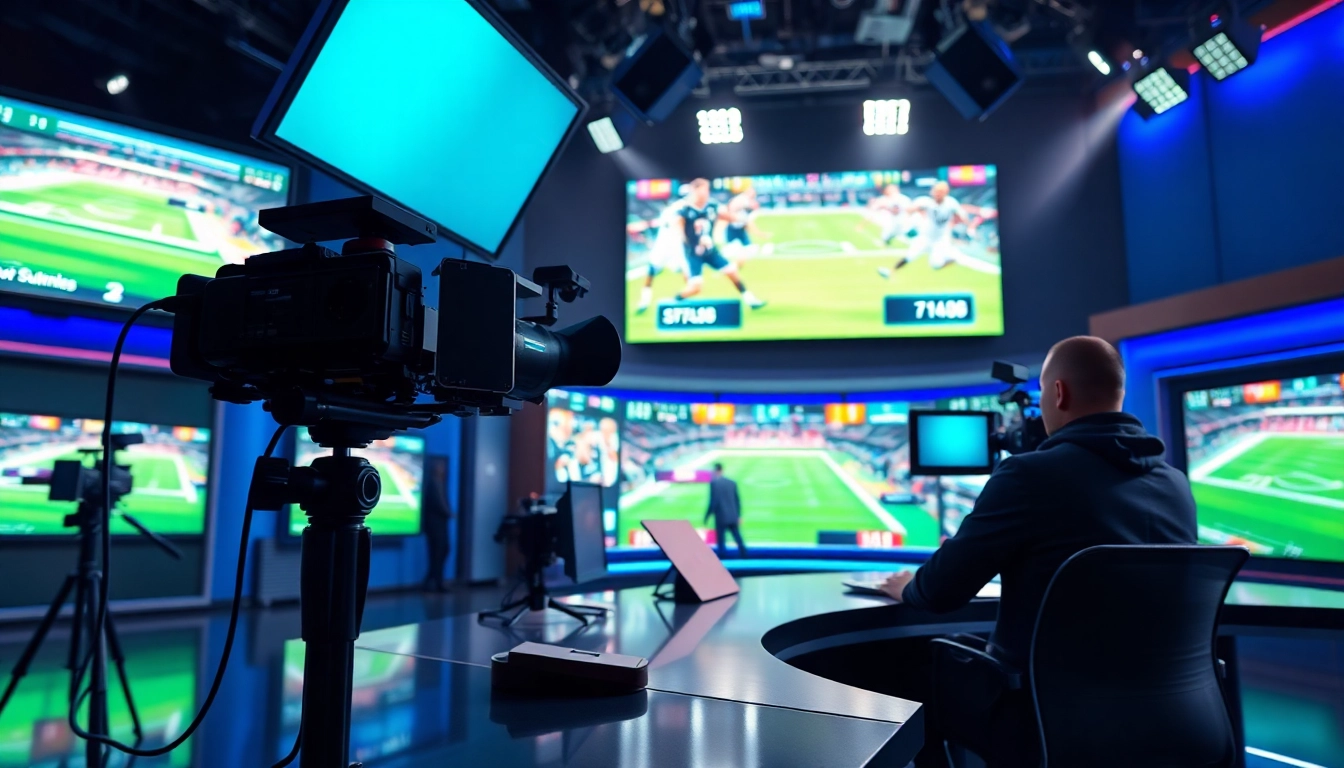
Introduction to Sports Broadcasting
Definition and Importance
Sports broadcasting is the dissemination of sports events via various media, including television, radio, and the internet. It plays a crucial role in the sports ecosystem by enabling fans to engage with their favorite sports from around the world. Sports broadcasting connects athletes with fans and creates a vibrant economy around sporting events, contributing significantly to the cultural fabric of society. The rise of digital platforms has made Sports Broadcasting more accessible than ever, transforming how we consume sports content.
History of Sports Broadcasting
The history of sports broadcasting dates back to the early 20th century when radio became the primary medium for live sports coverage. Broadcasting of sports events began with baseball games and quickly expanded to include football and boxing. The advent of television brought a seismic shift in how sports were viewed, making live events available in homes across the globe. Major sporting events have since evolved into significant cultural touchstones, as evidenced by events like the Super Bowl and FIFA World Cup, attracting millions of viewers. Over the decades, development in technology, regulatory changes, and shifts in audience preferences have shaped the landscape of sports broadcasting.
Current Landscape and Trends
The current sports broadcasting landscape is characterized by significant shifts in how content is created and consumed. Streaming services are now competing head-to-head with traditional networks, offering viewers more choices and greater flexibility. There is a growing demand for personalized viewing experiences, with technologies such as AI and machine learning being employed to enhance fan engagement. Additionally, partnerships between networks and tech companies are becoming more common to access advanced analytics and create innovative content formats. The rise of social media platforms has also altered how sports content is distributed, making real-time engagement more vital.
Technologies Shaping Sports Broadcasting
Streaming Platforms
Streaming platforms are revolutionizing sports broadcasting by altering distribution models and viewer engagement. These platforms offer live coverage of events, allowing fans to watch games on-demand from any device. Platforms such as OTT (over-the-top) services provide flexible subscription models that challenge traditional cable systems. The technology that supports these platforms, including adaptive bitrate streaming and cloud computing, ensures high-quality broadcasting and minimizes delays. Moreover, the integration of social features enables fans to share and discuss game moments, enhancing the overall viewing experience.
Broadcasting Equipment Innovations
Innovations in broadcasting equipment have significantly improved the quality of sports broadcasts. High-definition cameras, drone technology, and multi-camera setups allow for a more immersive viewing experience, capturing every critical moment in stunning detail. Additionally, tools like instant replay systems enhance the emphasis on accuracy and entertainment in sports. The evolution of graphics technology provides viewers with real-time statistics and player information, adding another layer of engagement. Furthermore, 5G technology is set to further enhance live broadcasts by providing faster transmission speeds and lower latency.
Virtual and Augmented Reality in Broadcasting
Virtual and Augmented Reality (VR and AR) are making significant inroads into sports broadcasting, providing fans with unprecedented experiences. With VR, viewers can immerse themselves in a 360-degree environment, feeling as if they are part of the game. AR technology enhances live broadcasts by overlaying digital information onto the real-world view, providing statistics, player bios, and other engaging elements. These technologies are particularly appealing to younger audiences who are accustomed to interactive and engaging digital content.
Key Players in Sports Broadcasting
Major Networks and Their Strategies
Major television networks have historically dominated the sports broadcasting industry, providing extensive coverage of a wide array of sporting events. These networks often employ strategic partnerships and exclusive broadcasting rights to attract audiences. They produce high-quality programming that combines expert analysis, in-depth commentary, and engaging storytelling to elevate the fan experience. Observing shifts in viewership patterns, many networks are now investing heavily in digital platforms, offering streaming services and mobile apps to remain relevant in a rapidly changing market.
Emerging Players in the Market
The rise of digital and streaming platforms has led to several emerging players disrupting the traditional sports broadcasting paradigm. These platforms focus on niche sports, localized events, and user-generated content, catering to specific audiences who may feel overlooked by mainstream broadcasters. Some innovative platforms prioritize accessibility and affordability, making sports content available to a broader audience. The competitive landscape continues to evolve as new players enter the market, leveraging unique content delivery methods and audience engagement strategies.
Impact of Digital Media
Digital media has transformed the way sports are broadcasted and consumed. Platforms such as social media allow for real-time updates and interaction with audiences, while podcasts and streaming services provide in-depth analysis and discussions about sports events. The fan experience is enhanced through user-generated content and engagement, where fans can discuss opinions on various platforms. This shift toward a more participatory culture is changing expectations around sports broadcasting, making it increasingly important for broadcasters to adapt and innovate continuously.
Challenges Faced by Sports Broadcasters
Adapting to Changing Viewership Habits
As viewer preferences evolve, sports broadcasters face the challenge of keeping pace with rapidly changing habits. The shift towards mobile and on-demand viewing means that traditional broadcast schedules are becoming less relevant. Broadcasters must rethink their strategies to engage audiences in a more dynamic environment, leveraging data analytics to understand audience behavior and preferences better. Engaging user experiences, like interactive content and multi-platform distribution, are essential in catering to the needs of modern audiences.
Regulatory and Licensing Issues
Navigating regulatory and licensing issues is an ongoing challenge for sports broadcasters. Content rights negotiation can be complex, involving multiple stakeholders including leagues, networks, and online platforms. Differences in international broadcasting rights add another layer of complexity. Broadcasters must remain compliant with legal frameworks while ensuring their licensing agreements maximize potential revenue and audience reach. This balancing act is critical for sustaining profitable operations in an increasingly competitive environment.
Maintaining Quality Under Pressure
Delivering high-quality broadcasts while managing the pressures of live events is a significant challenge for sports broadcasters. Factors such as inconsistent technology, bad weather, and technical mishaps can jeopardize the quality of broadcasts. Broadcasters must invest in reliable technology and rigorous training for their crews to ensure seamless operations. Developing contingency plans and training in crisis management can help reduce potential disruptions, ensuring that fans receive consistent quality regardless of external challenges.
Future of Sports Broadcasting
Predictions for Technology Advancements
Looking ahead, several technology advancements are poised to reshape sports broadcasting. Enhanced data analytics will provide broadcasters with detailed insights into viewer preferences, allowing for content personalization. The integration of artificial intelligence in production processes is likely to streamline operations and improve overall efficiency. Innovations in immersive viewing experiences, such as live holography, have the potential to redefine how fans engage with sports content, presenting a more interactive and engaging way to watch games.
Sustainability in Broadcasting
The future of sports broadcasting also includes a focus on sustainability. As the industry recognizes its impact on the environment, broadcasters are increasingly considering eco-friendly practices. Initiatives range from reducing carbon footprints through sustainable production methods to enhancing energy efficiency in broadcasting facilities. By prioritizing sustainability, sports broadcasters can not only mitigate their environmental impact but also resonate with an audience increasingly concerned with eco-consciousness.
The Evolving Role of Social Media
Social media’s role in sports broadcasting continues to evolve, allowing broadcasters and teams to engage directly with fans in real time. Platforms like Twitter and Instagram create opportunities for real-time interaction and content sharing, amplifying fan experiences beyond just watching a game. As social media becomes increasingly integrated with sports broadcasting, media rights holders must find innovative ways to monetize content in this space while maintaining genuine engagement with their audience.
Frequently Asked Questions
What is sports broadcasting?
Sports broadcasting refers to the distribution of live sports games or events through various media, including television, radio, and online streaming platforms.
How has technology impacted sports broadcasting?
Technology has transformed sports broadcasting with innovations like streaming services, high-definition cameras, and VR/AR experiences, enhancing viewer engagement.
Who are the main players in sports broadcasting?
Main players include traditional television networks, emergent streaming platforms, and digital media companies, each adapting their strategies for viewer engagement.
What challenges do sports broadcasters face today?
Challenges include adapting to changing viewership habits, navigating regulatory issues, and maintaining broadcast quality in live situations.
What is the future of sports broadcasting?
The future will likely involve advancements in technology, increased focus on sustainability, and a growing role for social media in engaging fans and monetizing content.