
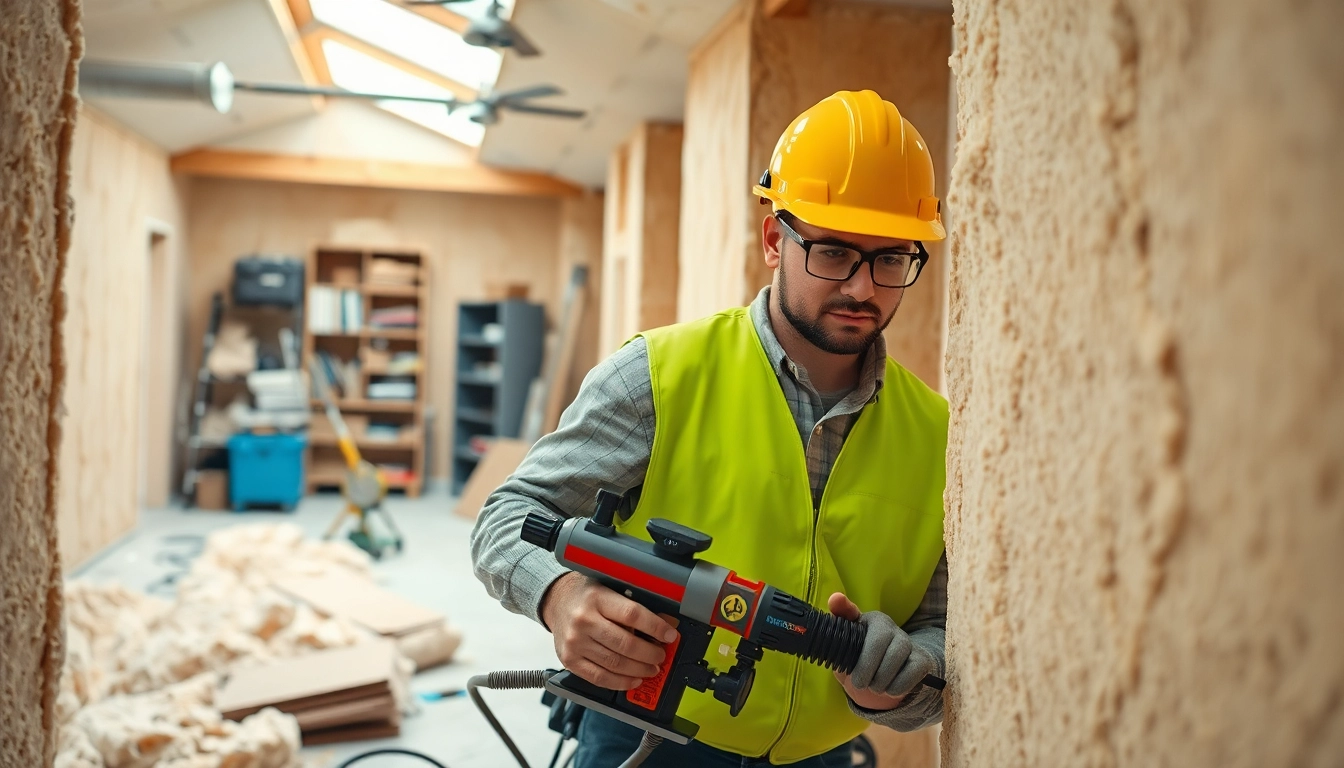
Understanding Spray Foam Removal
What is Spray Foam Insulation?
Spray foam insulation is a popular method used to improve a building’s energy efficiency and comfort by filling gaps and cracks in walls, attics, and other spaces. Made from a mixture of isocyanates and polyols, spray foam insulation expands once it is applied, creating a seamless barrier that inhibits air flow and moisture penetration. This insulation type is highly valued for its superior R-value, which is a measure of thermal resistance, and its ability to help maintain indoor temperatures, reducing energy consumption over time.
Benefits and Drawbacks of Spray Foam
The benefits of spray foam insulation are numerous. It provides excellent thermal insulation, acting as an air barrier as well as a vapor barrier, thereby improving indoor air quality. Moreover, it prevents heat transfer, saving homeowners on energy bills, potentially leading to lower heating and cooling costs.
However, there are drawbacks. The initial installation cost is higher compared to traditional insulation materials like fiberglass or cellulose. Additionally, the improper application of spray foam can lead to issues such as over-expansion and potential structural damage. Lastly, while it is durable, when damaged, it is not straightforward to remove, making it critical to consider professional spray foam removal contractors for any necessary remediation.
Reasons for Removal
There are several compelling reasons why homeowners or building managers may need to remove spray foam insulation. First, if there has been water damage, mold growth can occur, making removal essential to prevent health issues. Second, if the installation was poorly executed, it may not perform as intended, leading to inefficiency. Other reasons include remodeling, changes in insulation technology, or pest infestations where foam becomes a nesting ground. Ultimately, understanding these reasons helps in making informed decisions regarding insulation management.
Identifying Qualified Spray Foam Removal Contractors
Check for Certifications and Experience
When seeking a contractor for spray foam removal, validity and expertise are paramount. Look for certifications that ensure a contractor adheres to industry standards. Relevant certifications include those from organization and training bodies that establish credibility in their methods and safety protocols. Experience counts too—contractors who have been in the field long enough not only possess the technical skills but also a knowledge of the idiosyncrasies associated with different types of spray foam.
Read Reviews and Testimonials
An excellent way to gauge a contractor’s quality is by examining online reviews and testimonials. Platforms like Google, Yelp, and social media provide insight into customers’ experiences. Look for patterns in the feedback regarding professionalism, punctuality, quality of work, and customer service. A contractor with numerous positive testimonials can provide peace of mind regarding their reliability and effectiveness.
Requesting References and Past Work
Don’t hesitate to request references and examples of previous work from potential contractors. A reputable contractor should have a portfolio that demonstrates their capabilities and results. Speaking directly with past clients can provide additional information about the contractor’s process, professionalism, and their ability to meet timelines and expectations.
The Spray Foam Removal Process Explained
Initial Assessment and Inspection
The removal of spray foam insulation begins with a comprehensive assessment and inspection of the area. This step is crucial for identifying the extent of the foam application, the surfaces involved, and any damage that may have occurred beneath the insulation. This evaluation not only helps in planning the removal process but also ensures that any potential complications can be addressed proactively.
Preparation of the Work Area
Once the assessment is complete, the preparation of the work area is essential for a safe and efficient removal. This includes clearing the area of any obstacles and covering items that may be affected by dust or debris. Proper ventilation is also critical, as the process may release particles into the air. Contractors should employ safety measures, including protective gear, to mitigate health risks during removal.
Actual Removal Techniques Used
Typically, spray foam removal involves several techniques, such as mechanical scraping, chemical softening agents, or the use of specialized machinery. Each method has its benefits and is chosen based on the specific conditions and types of spray foam used. For instance, mechanical scraping can be effective for thicker layers of foam, while chemical methods may ease removal on delicate surfaces. Regardless of the method, a skilled contractor will ensure precautions are taken to minimize damage to underlying structures and surfaces.
Post-Removal Considerations
Inspecting for Damage
After the spray foam insulation has been removed, a thorough inspection of the surfaces is necessary to identify any potential damage that may have occurred during installation or removal. This includes checking for mold, water damage, or other signs of wear that need to be addressed. Early detection of these issues can save time and lead to more effective repairs.
Necessary Repairs and Cleanup
Depending on the condition of the building structure post-removal, repairs may be necessary. This could involve patching walls, addressing moisture issues, or even extensive renovations if serious damage is identified. Cleanup is also critical to ensure that any residual dust or debris from the removal process is taken care of, promoting a safe and healthy indoor environment.
Insulation Replacement Options
Once the old foam is removed and the area is prepared, homeowners should consider their insulation replacement options. There are alternative insulation methods available, including fiberglass batts, cellulose, or even a different type of spray foam with improved formulations. The choice of new insulation should factor in energy efficiency, cost, and the specific thermal requirements of the building.
Frequently Asked Questions
How long does spray foam removal take?
Removal typically takes a few hours to a few days, depending on the area size and volume of foam present.
Is spray foam removal safe?
Yes, when conducted by qualified spray foam removal contractors, it is safe and follows established protocols to protect both workers and residents.
What should I expect post-removal?
You may need repairs or cleaning after removal, depending on how the foam was applied and any surface damage that has occurred.
Can I remove spray foam myself?
While it is possible to attempt DIY, hiring professionals is safer and often more effective due to the specialized tools and techniques required for proper removal.
How do I prepare for removal?
Clear the area around the spray foam, ensuring easy access for contractors during the removal process. This can help the operation run smoothly and safely.